
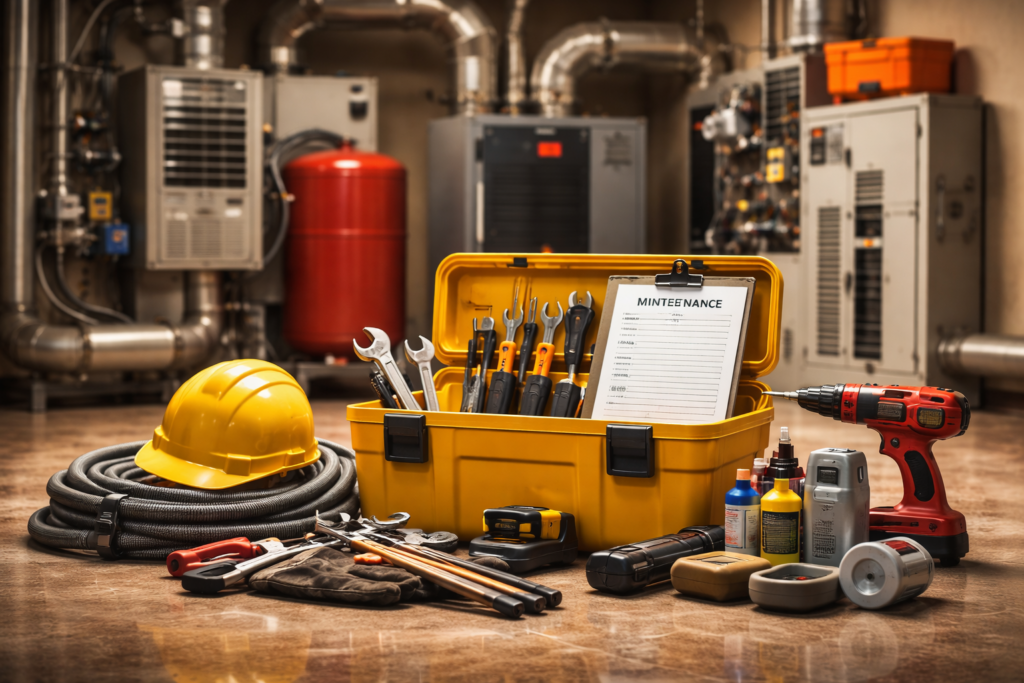
Here is a detailed, professional blog ready for your website:
Preventive vs Corrective Maintenance: What Property Managers Should Know
Effective building maintenance is essential for ensuring smooth operations, tenant satisfaction, and long-term asset protection. Property managers often face the decision between preventive maintenance and corrective maintenance strategies. Understanding the difference between these two approaches can significantly impact operational efficiency and cost control.
What Is Preventive Maintenance?
Preventive maintenance refers to scheduled inspections, servicing, and minor repairs carried out before equipment or systems fail. The goal is to reduce the risk of unexpected breakdowns and extend the lifespan of building assets.
Examples of Preventive Maintenance:
-
Routine electrical system inspections
-
Scheduled plumbing checks
-
Regular air-conditioning servicing
-
Periodic safety system testing
-
Minor adjustments and early fault detection
Benefits of Preventive Maintenance
1. Reduced Downtime
Regular servicing minimizes unexpected disruptions in commercial and hospitality properties.
2. Cost Control
Addressing minor issues early prevents expensive emergency repairs.
3. Extended Equipment Lifespan
Well-maintained systems operate more efficiently and last longer.
4. Improved Safety
Routine inspections help identify potential hazards before they become serious problems.
What Is Corrective Maintenance?
Corrective maintenance involves repairs performed after a system or component has failed. It is reactive in nature and typically occurs when something stops functioning properly.
Examples of Corrective Maintenance:
-
Repairing a broken electrical circuit
-
Fixing plumbing leaks after damage occurs
-
Replacing malfunctioning AC components
-
Addressing structural damage
Challenges of Corrective Maintenance
1. Unexpected Costs
Emergency repairs can be more expensive due to urgency and additional damage.
2. Operational Disruption
Breakdowns may interrupt business operations, especially in hospitality environments.
3. Safety Risks
System failures can create unsafe conditions if not addressed immediately.
Which Approach Is Better?
For most commercial and hospitality properties, a balanced strategy is recommended. Preventive maintenance reduces the likelihood of breakdowns, while corrective maintenance addresses unavoidable issues.
Relying solely on corrective maintenance may result in higher long-term costs and operational disruptions. A structured preventive maintenance plan helps property managers maintain control over budgets, scheduling, and performance.
Why Maintenance Planning Matters in Qatar
Given Qatar’s climate conditions, particularly heat and dust exposure, building systems such as air-conditioning and external surfaces require regular monitoring and servicing. Preventive maintenance becomes especially important in maintaining system efficiency and operational reliability.
Best Practices for Property Managers
-
Establish a scheduled maintenance plan
-
Maintain clear service records
-
Conduct regular inspections
-
Partner with trained maintenance professionals
-
Combine preventive planning with responsive corrective support
Conclusion
Understanding the difference between preventive and corrective maintenance allows property managers to make informed decisions that protect building assets and ensure uninterrupted operations. A proactive maintenance strategy reduces risks, controls costs, and supports long-term facility performance.
For commercial, residential, and hospitality properties, structured maintenance planning is not just a technical requirement — it is a key component of operational success.